Main Menu
News & Views
 |
 |

Previous issue | Next issue | Archive

Volume 16 (3); September 2026 [Booklet]
|
|
Research Paper
Effects of Dietary Nettle (Urtica dioica) Leaf Powder on Performance, Welfare, Hematological Profile, and Oxidative Status in Broiler Turkeys
Sadoudi A, Saidj D, Bellik Y, Touazi L, Yahi K, Aberkane B, Iguer-Ouada M, and Moula N.
J. World Poult. Res. 16(3): 243-255, 2026; pii: S2322455X2600022-16
DOI: https://dx.doi.org/10.36380/jwpr.2026.22
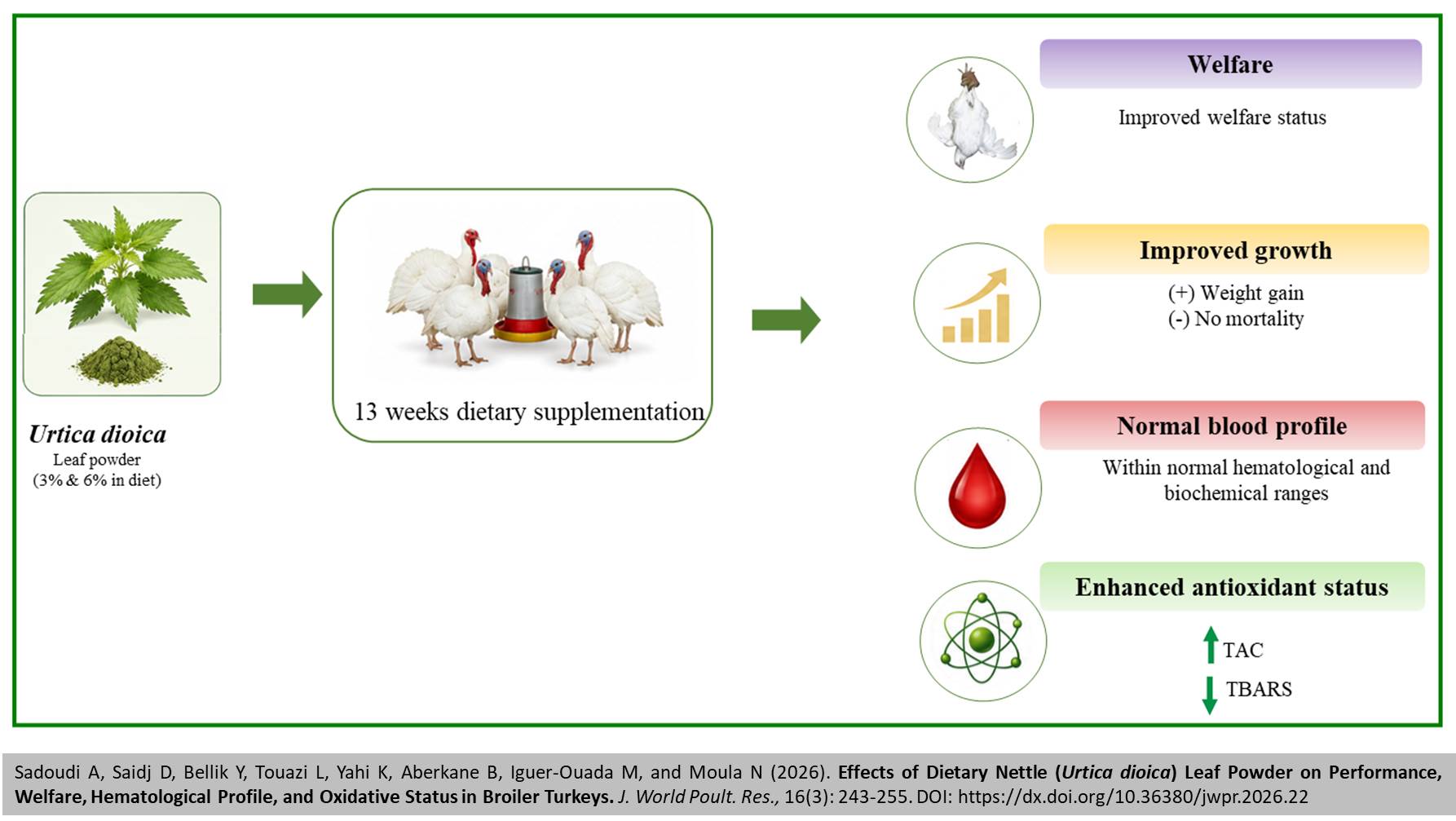 ABSTRACT: Medicinal plants, such as nettle (Urtica dioica), are increasingly popular as sustainable alternatives to synthetic growth promoters and antioxidants in poultry production. The present study aimed to evaluate the effects of dietary nettle leaves on growth performance, welfare indicators, hematological and biochemical parameters, and oxidative status of broiler turkeys (Meleagris gallopavo) reared under intensive conditions. Seventy-two turkeys were randomly assigned to one of three dietary treatments from 3 to 15 weeks of age, including a control diet (CN), a diet with 3% nettle leaf powder (N3), and a diet with 6% nettle leaf powder (N6). Growth performance was monitored until week 13, while blood, carcass, and organ parameters were measured at the end of the trial. Mortality occurred only in the control group (3.33%), while there was no mortality in groups N3 or N6. Growth performance was significantly influenced by diet and sex. Male turkeys fed the N3 diet achieved higher final body weight compared to those receiving the CN or N6 diets. Conversely, no growth-promoting effect was observed in female turkeys. Female turkeys receiving the N3 diet exhibited lower final body weight and a higher feed conversion ratio than those in the CN group, indicating reduced feed efficiency. Nettle supplementation had no significant effect on carcass yield, organ development, or welfare indicators, including feather cleanliness and tarsal and plantar lesions. Hematological parameters, notably mean corpuscular volume, mean corpuscular hemoglobin, and platelet count, were significantly affected by nettle supplementation diets, whereas biochemical parameters remained within physiological ranges, indicating preserved systemic homeostasis. Dietary nettle supplementation enhanced antioxidant status, with both supplemented groups exhibiting significantly increased total antioxidant capacity, as measured by 2,2′-azinobis (3-ethylbenzothiazoline-6-sulfonic acid; ABTS) radical scavenging activity, and a decrease in lipid peroxidation, assessed by thiobarbituric acid-reactive substances (TBARS), compared to the control group. Nettle leaf supplementation enhanced antioxidant defenses without compromising turkeys' welfare. A sex-dependent pattern was observed in growth performance parameters, with male turkeys exhibiting a greater response than females at the 3% nettle leaf inclusion level. However, both sexes exhibited consistent increases in antioxidant levels, highlighting the potential of nettle as a natural supplement in turkey production.
Keywords: Broiler turkey, Growth performance, Nettle leaf, Oxidative status, Phytogenic feed additive
[Full text-PDF] [Crossref Metadata] [Scopus] [Export from ePrints]
|
|
Research Paper
Effects of Saccharomyces boulardii on Productivity, Egg Quality, Excreta Microbiology, and Ammonia Emissions in Indonesian Local Ducks
Ayuningtyas G, Rayani TF, Pantaya D, Syaikhullah G, Subagja H, Prastujati AU, Priyadi DA, and Lestari FEP.
J. World Poult. Res. 16(3): 256-267, 2026; pii: S2322455X2600023-16
DOI: https://dx.doi.org/10.36380/jwpr.2026.23
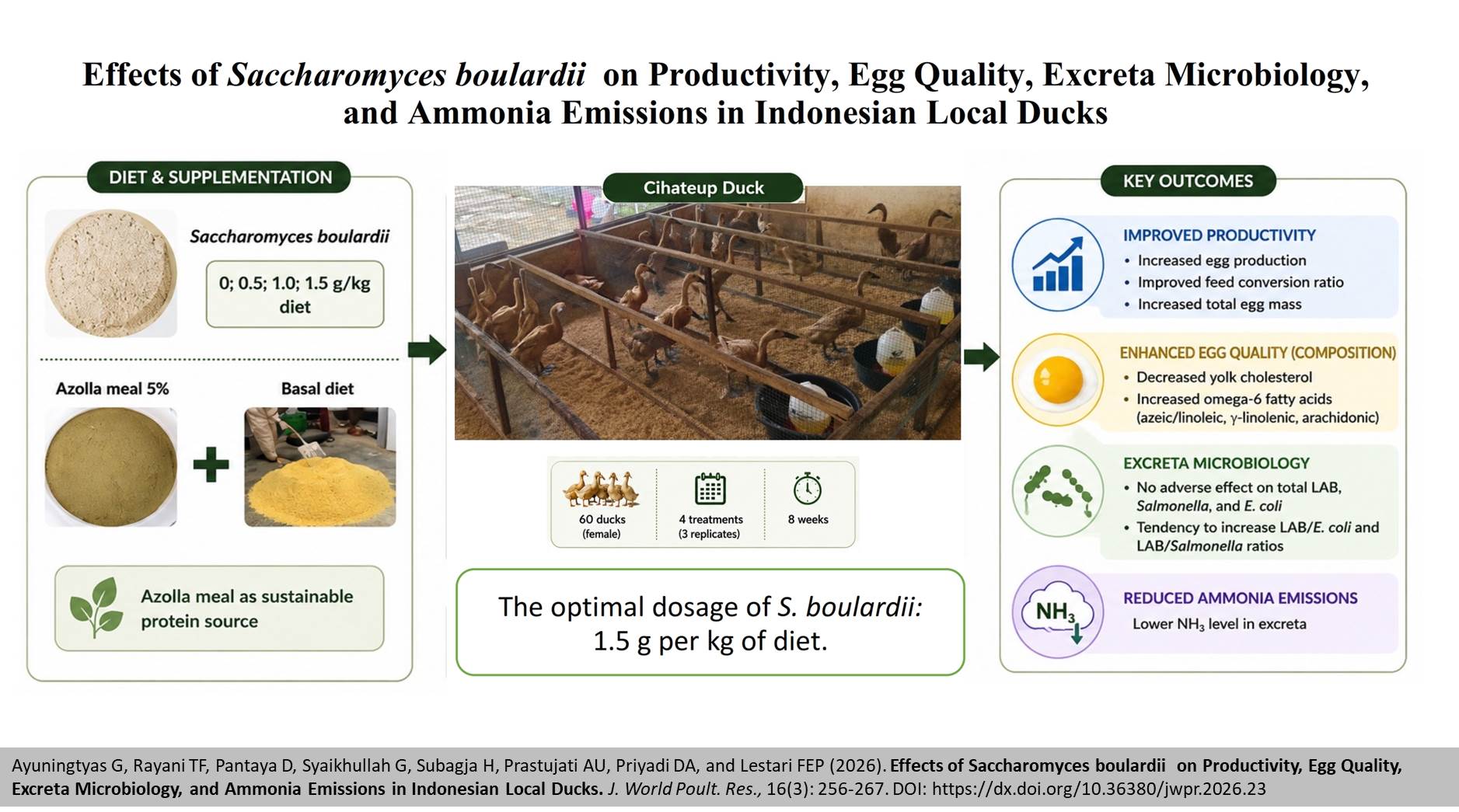 ABSTRACT: The Cihateup duck is an Indonesian waterfowl with potential as an egg producer. However, the productivity remains suboptimal. Dietary supplementation with the yeast probiotic Saccharomyces boulardii (S. boulardii) has been reported to improve poultry productivity. The current study aimed to evaluate the effects of S. boulardii yeast probiotic supplementation in Cihateup duck feed on production performance, egg quality, the microbial population in excreta, and excreta ammonia level. A total of 60 female Cihateup ducks aged 71 weeks were randomly assigned to four treatment groups (three replicates per treatment, five ducks per replicate). The treatment consisted of a control (T0), which was a basal diet without Saccharomyces boulardii; basal diet plus 0.5 g/kg feed S. boulardii (T1), basal diet plus 1.0 g/kg feed S. boulardii (T2), and basal diet plus 1.5 g/kg feed S. boulardii (T3). The feed treatment lasted for 8 weeks. Production performance, including duck day production, feed conversion ratio (FCR), and total and average egg weight, was evaluated weekly. At the end of the experiment, the physical quality of eggs, fat content, cholesterol, and fatty acid profile (saturated and unsaturated fatty acids) of egg yolks were analyzed. The analysis of excreta microbes and excreta ammonia levels was conducted in the eighth week. Saccharomyces boulardii supplementation significantly improved duck day production, total egg weight, and FCR in the T3 group, although it did not significantly affect egg physical quality across all treatments. The egg yolk cholesterol was significantly lower in the T1 and T3 groups than in the other groups. The present study also found that supplementation with S. boulardii increased the egg yolk omega-6 fatty acids (linoleic acid, γ-linolenic acid, and arachidonic acid), especially in T2 and T3 treatments. Ammonia in duck excreta decreased significantly in the probiotic groups compared with the control group, with the lowest level in T3. The findings of the present study demonstrated that S. boulardii has the potential as a probiotic for enhancing laying performance, improving the functional quality of eggs, and reducing excreta ammonia levels of Cihateup ducks.
Keywords: Cihateup duck, Egg quality, Performance, Probiotic, Saccharomyces boulardii
[Full text-PDF] [Crossref Metadata] [Scopus] [Export from ePrints]
|
|
Research Paper
Effects of Bacillus amyloliquefaciens and Organic Acids on Growth Performance, Carcass Traits, Blood Parameters, and Cecal Microbiota in Cockerels
Babiker M, Alhomaidan S, Alhumud A, Alsaleem F, Elmithn S, Alhumimidi A, Alobaydaa A, Aloudah S, and Al-Eid S.
J. World Poult. Res. 16(3): 268-283, 2026; pii: S2322455X2600024-16
DOI: https://dx.doi.org/10.36380/jwpr.2026.24
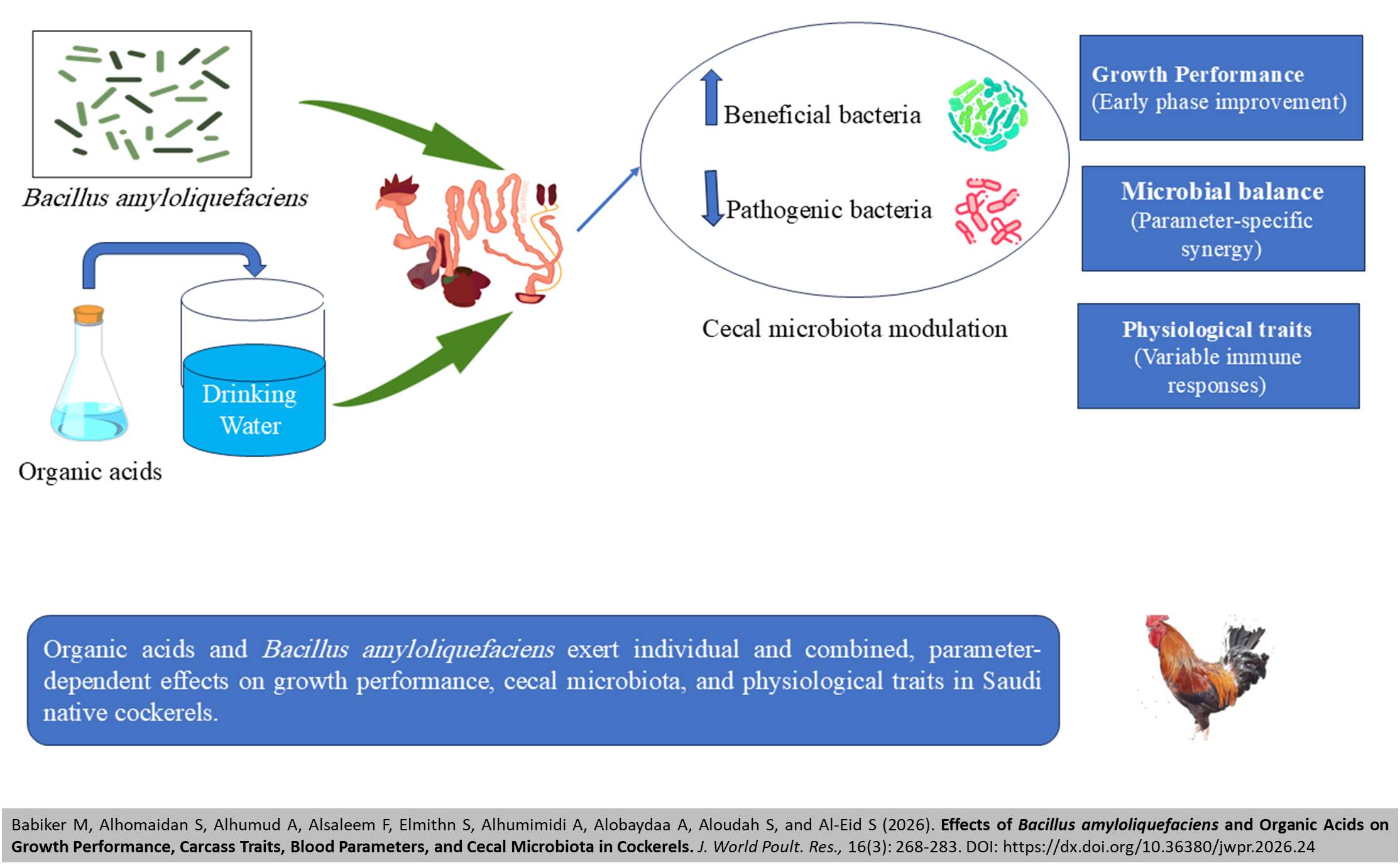 ABSTRACT: The increasing restrictions on antibiotic growth promoters have drawn attention to natural feed additives that enhance gut health and contribute to sustainable poultry production. The present study aimed to investigate the individual and combined effects of organic acids and Bacillus amyloliquefaciens (B. amyloliquefaciens) on growth performance, organ development, carcass characteristics, blood biochemical and hematological parameters, and cecal microbiota in cockerels. A total of 200 cockerels, weighing 68.5 ± 4.44 grams, were randomly assigned to four treatment groups. Four treatments consisted of a control group (A0B0), organic acids alone (A1B0), B. amyloliquefaciens alone (A0B1), and their combination (A1B1), with five replicates of ten cockerels each over 42 days. Two factors were employed, with organic acids supplemented in the drinking water at two levels (0% [A0] and 0.08% [A1]) and B. amyloliquefaciens incorporated into the diet at two levels (0% [B0] and 0.01% [B1]) at a concentration of 1 × 10⁹ CFU/g feed. Organic acids enhanced body weight gain during the starter phase (599.6 versus 546.1 g), whereas B. amyloliquefaciens reduced cumulative feed intake over the entire period (3044.9 versus 3330.9 g). Group A1B1 did not enhance growth beyond that of the individual additives, indicating no synergistic effect. Organic acids decreased liver and spleen weights but increased proventriculus weight, while B. amyloliquefaciens increased spleen weight and decreased gizzard and proventriculus weights. A significant interaction was detected for spleen weight. Most blood biochemical and hematological parameters were unaffected by the treatment. However, organic acids reduced serum total protein and globulin, while hepatic enzyme activities remained unchanged, indicating no adverse effects on liver function. Cecal microbiota profiling demonstrated that organic acids were more effective than the combined treatment in reducing Escherichia coli and coliform populations. In contrast, Group A1B1 resulted in the highest Bacillus count. Both additives modulated cecal microbial populations compared to the control group. Organic acids improved early growth and reduced pathogenic bacteria, whereas B. amyloliquefaciens reduced feed intake and increased Bacillus abundance. The combined supplementation of organic acids and B. amyloliquefaciens did not provide synergistic benefits, indicating a parameter-dependent response. Neither additive adversely affected hematological indices or liver function
Keywords: Antibiotic, Bacillus amyloliquefaciens, Cecal microbiota, Cockerel, Growth performance, Organic acid
[Full text-PDF] [Crossref Metadata] [Scopus] [Export from ePrints]
|
|
Research Paper
Biotechnological Feed Additives: Alternatives to Antibiotics as Growth Promoters in Broiler Chicken Farming
Matiukha I, Vishchur O, Krasovska O, Broda N, Mudrak D, Masiuk M, Tomchuk V, and Voltornistyi A.
J. World Poult. Res. 16(3): 284-294, 2026; pii: S2322455X2600025-16
DOI: https://dx.doi.org/10.36380/jwpr.2026.25
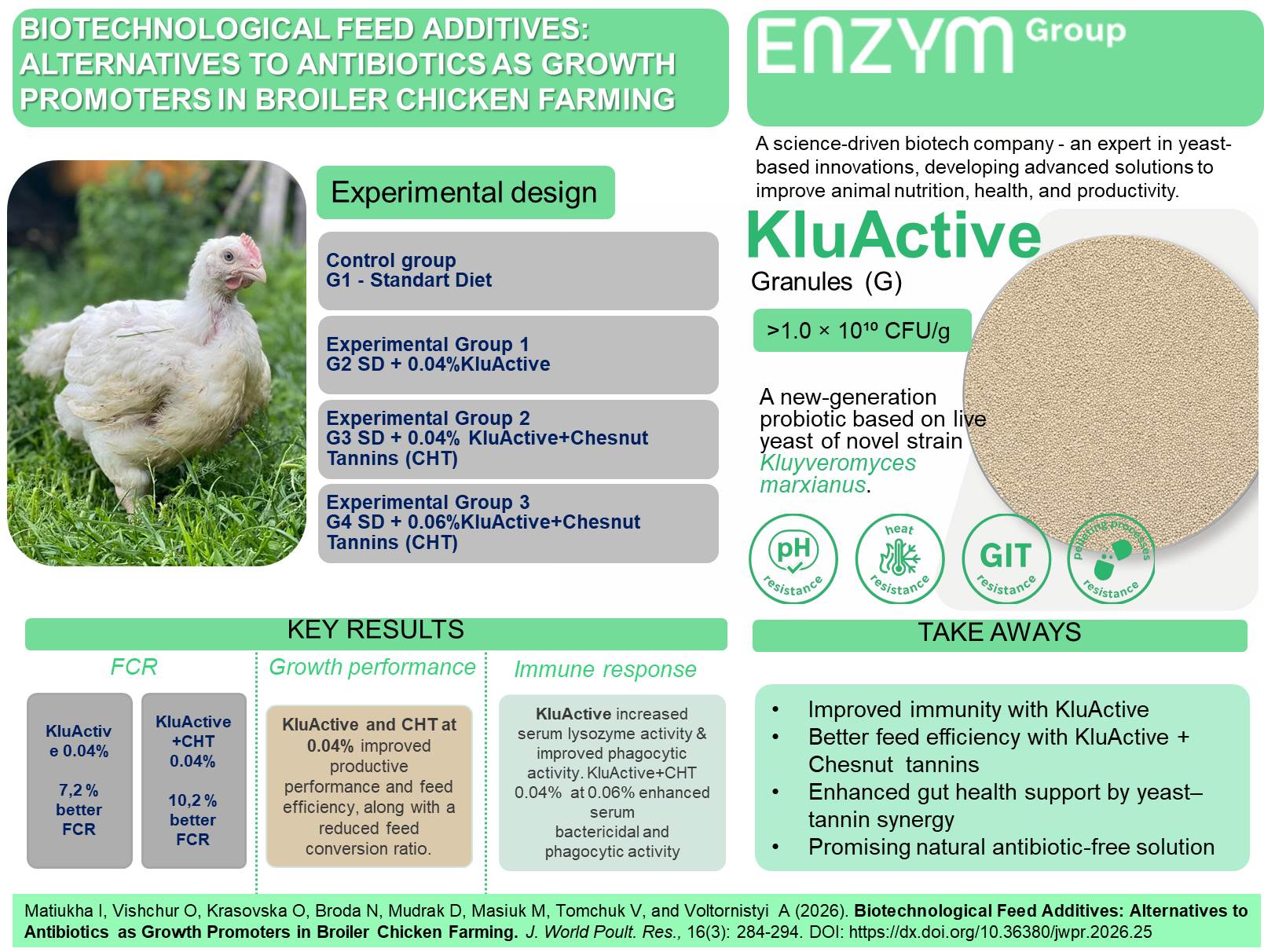 ABSTRACT: The restriction of antibiotic growth promoters in poultry production has grown due to concerns about antimicrobial resistance and food safety. Phytogenic and probiotic feed additives are considered promising candidates for modulating gut health, immune responses, and growth performance in broiler chickens. The present study aimed to assess the effects of dietary supplementation with the probiotic Kluyveromyces marxianus strain (KluActive), either alone or in combination with encapsulated hydrolyzable tannins, on innate immune responses and growth performance in antibiotic-free-fed broiler chickens. Sixty broiler chickens, each 15 days old at the start, were used in a 27-day experiment. Broiler chickens were randomly assigned to four dietary treatments, including a control group fed a standard antibiotic-free diet (G1), a group that was fed the standard diet with KluActive at 0.04% (G2), and two groups fed a combination of KluActive with encapsulated tannins at 0.04% (G3) and 0.06% (G4). Phagocytic activity, phagocytic index, phagocytic number, serum bactericidal activity, and serum lysozyme activity were assessed on days 28 and 42. Growth performance parameters, including average daily gain and average body weight gain, were recorded over 42 days. Supplementation with the probiotic and tannins enhanced selected serum innate immune parameters in broiler chickens. In particular, serum bactericidal activity was significantly increased at the higher inclusion level (0.6%), by 12.5% on day 28 and 16.7% on day 42 compared with the control group. Phagocytic activity parameters were consistently elevated in broiler chickens across all experimental groups. The best improvement in feed conversion ratio was observed in the G3 group. The current findings indicated that probiotic-tannin combinations were a promising nutritional alternative to enhance immune function and performance in antibiotic-free broiler chicken production.
Keywords: Growth performance, Immune response, Probiotic, Tannin, Yeast
[Full text-PDF] [Crossref Metadata] [Scopus] [Export from ePrints]
|
|
Research Paper
Effects of Fungal Bioconversion of Azolla-Enriched Diets on Nutritional Quality and Economic Efficiency in ZamPen Native Chicken
Enario GP.
J. World Poult. Res. 16(3): 295-304, 2026; pii: S2322455X2600026-16
DOI: https://dx.doi.org/10.36380/jwpr.2026.26
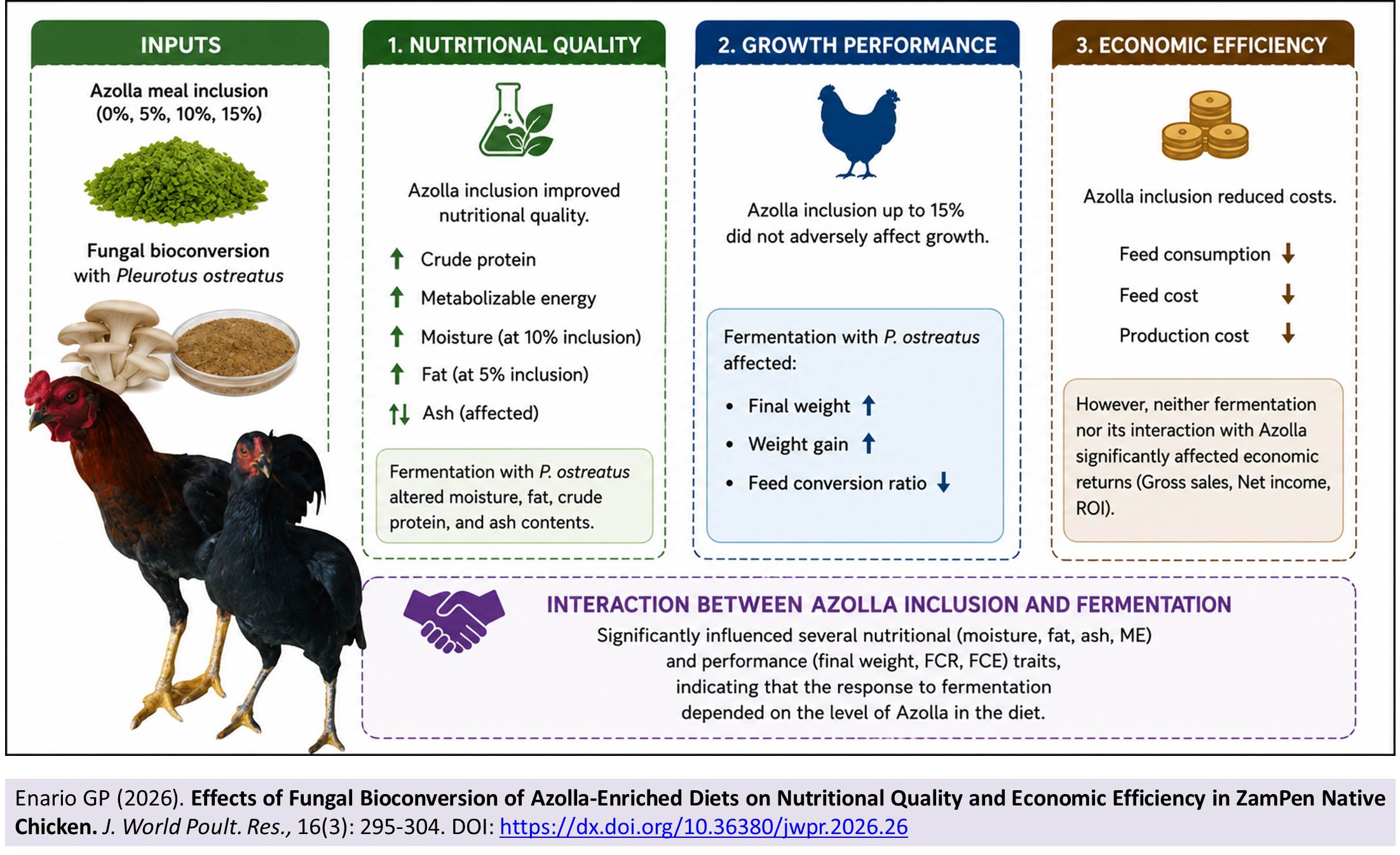 ABSTRACT: Rising feed prices have driven interest in local feed alternatives, even though these typically offer lower nutritional quality than standard commercial feeds. The present study aimed to evaluate the effects of an Azolla-enriched diet fermented with and without Pleurotus (P.) ostreatus on nutrient composition, growth performance, and economic efficiency in ZamPen native chickens. A 4 × 2 factorial experiment under a completely randomized design with 8 treatments and three replications was conducted using 168 two-month-old straight-run ZamPen chickens with an average weight of 665 g. Treatments consisted of 8 diets containing 0%, 5%, 10%, and 15% Azolla, with and without P. ostreatus fermentation. Results of nutrient analysis indicated that the fermented Azolla-enriched diet influenced crude protein, ash, and metabolizable energy compared to the non-fermented Azolla-enriched diet. Increasing Azolla levels increased crude protein content, moisture, fats, and metabolizable energy at 15%, 10%, and 5%, respectively, compared to 0% Azolla. Growth performance, including final body weight, weight gain, and feed conversion efficiency, was not significantly affected by the Azolla-enriched diet. However, feed consumption decreased significantly with increasing Azolla levels (10% and 15%), with animals consuming less feed than those fed 0% Azolla. Fermentation affected weight gain and feed conversion ratio, with non-fermented diets resulting in greater weight gain and better feed conversion than fermented diets. Significant interactions between Azolla and fermentation were observed for final body weight, feed conversion ratio, and feed conversion efficiency. Economic analysis revealed significant reductions in feed cost and total production cost at 10% and 15% Azolla, while gross sales, net income, and return on investment were not significantly affected compared to 0% Azolla. Fermentation with or without P. ostreatus did not affect economic performance, and no interaction of Azolla and fermentation was observed. These results suggested that Azolla can be incorporated up to 15% in native chicken diets as a cost-effective alternative feed ingredient without compromising performance. In addition, fermentation with P. ostreatus increased the moisture and fat contents of the diets and improved final body weight, weight gain, and feed conversion ratio, but reduced crude protein and ash contents.
Keywords: Alternative feed, Azolla meal, Feed conversion ratio, Fermentation, Pleurotus ostreatus
[Full text-PDF] [Crossref Metadata] [Scopus] [Export from ePrints]
|
|
Research Paper
Effects of Fermented Pineapple Peel and Indigofera zollingeriana Leaves on Intestinal Bacterial Population, Performance, and Carcass Traits in Broiler Chickens
Palupi R, Sandi S, Yosi F, Pratama ANT, and Fikri MAW.
J. World Poult. Res. 16(3): 305-315, 2026; pii: S2322455X2600027-16
DOI: https://dx.doi.org/10.36380/jwpr.2026.27
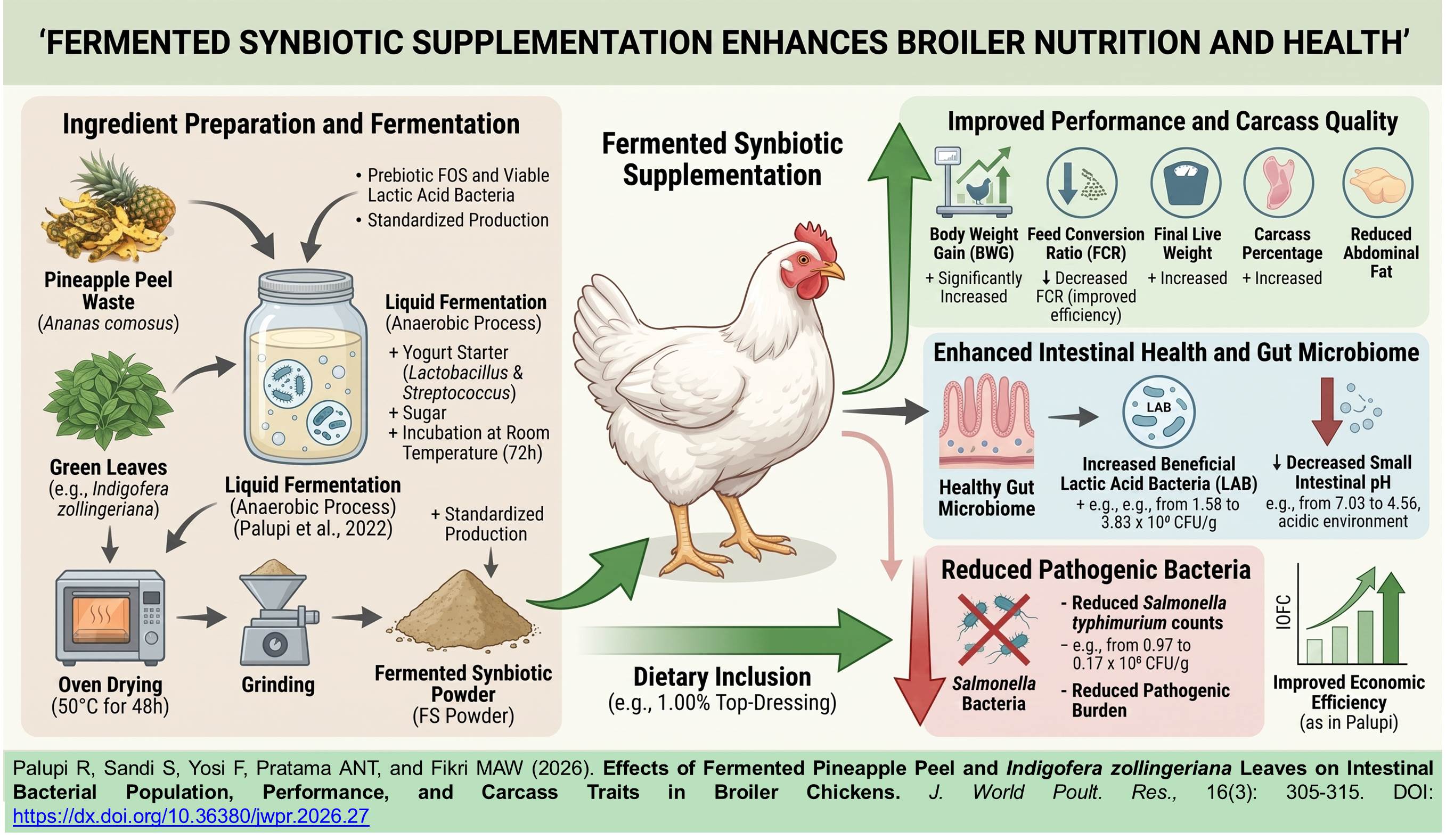 ABSTRACT: The prohibition of antibiotic growth promoters has necessitated the exploration of alternative functional feed additives from agricultural waste to maintain poultry health and productivity. The current study aimed to evaluate the effects of dietary supplementation with fermented synbiotics derived from pineapple peel (Ananas comosus) and Indigofera zollingeriana leaves on growth performance, carcass traits, intestinal bacterial populations, and internal organ weights in broiler chickens. A total of 100 one-day-old broiler chickens with an average initial body weight of 42 ± 2 g were randomly allocated to five treatments with four replications in a completely randomized design. The dietary treatments initiated on day 1 continued for 28 days and consisted of a basal diet supplemented with fermented synbiotic (FS) at levels of 0% (control), 0.25%, 0.50%, 0.75%, and 1.00%. The FS powder was mixed directly into the basal diet as a top-dressing and provided daily for the entire 28-day experimental period. Feed intake and body weight were recorded weekly. Parameters measured included feed consumption, body weight gain, feed conversion ratio, live weight, carcass percentage, abdominal fat percentage, income over feed cost, relative organ weights (liver, heart, gizzard, pancreas), small intestinal pH, and populations of lactic acid bacteria and Salmonella typhimurium. Results demonstrated that supplementation at 1.00% significantly improved body weight gain, feed conversion ratio, live weight, carcass percentage, and income over feed cost compared to the control group. Small intestinal pH decreased from 7.03 (control) to 4.56 (1.00% FS). Lactic acid bacteria populations increased significantly from 1.58 (control) to 3.83 × 10⁶ CFU/g (1.00% FS), while Salmonella typhimurium counts were reduced from 0.97 (control) to 0.17 × 10⁶ CFU/g (1.00% FS). No significant effects were observed on relative organ weights across all treatments compared to the control group. In conclusion, fermented synbiotics from pineapple peel and Indigofera zollingeriana leaves at 1.00% optimally enhanced growth performance, carcass quality, and intestinal health while improving economic returns in broiler chickens, offering a viable and sustainable alternative to antibiotic growth promoters.
Keywords: Amino acid, Broiler chicken, Fermented synbiotic, Growth performance, Indigofera zollingeriana, Pineapple peel
[Full text-PDF] [Crossref Metadata] [Scopus] [Export from ePrints]
|
|
Prevalence of Coccidiosis in Broiler Chickens in Djôrô Region, Southwestern Burkina Faso |
Research Paper
Prevalence of Coccidiosis in Broiler Chickens in Djôrô Region, Southwestern Burkina Faso
Vitouley SH, Hien SIP, Pagabeleguem S, Somda MB, Gniniwéwo Carèle B, and Pousga SS.
J. World Poult. Res. 16(3): 316-326, 2026; pii: S2322455X2600028-16
DOI: https://dx.doi.org/10.36380/jwpr.2026.28
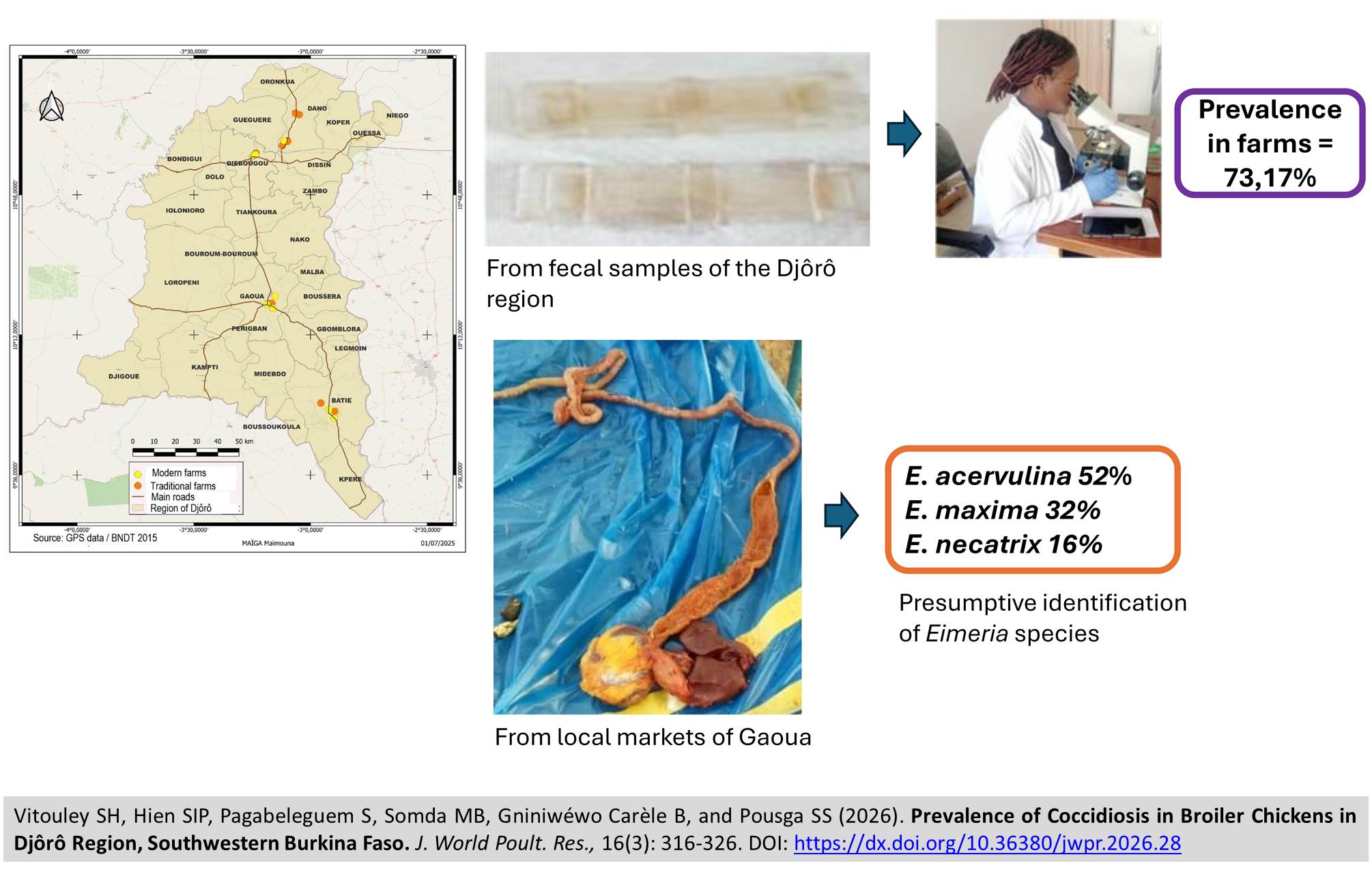 ABSTRACT: In Burkina Faso, the poultry industry faces significant health challenges, notably coccidiosis, an intestinal parasitic disease that results in substantial economic losses. This cross-sectional clustered study aimed to determine the prevalence and oocyst load of Eimeria (E.) spp. in litter-derived fecal samples from broiler chickens in Batié, Dano, Diébougou, and Gaoua in the Djôrô region of Burkina Faso. The study was conducted from June to September 2024. A total of 600 fresh fecal samples were collected from broiler chickens aged 35 to 45 days, originating from 30 traditional and 30 modern farms across the Djôrô region. The droppings were collected from litter, placed in airtight plastic bags, and stored in cooling boxes at 4°C, then transferred to the Laboratory of Animal Biology and Physiology at the Gaoua University Center, Burkina Faso, for subsequent parasitological analysis. Samples were examined using a modified McMaster flotation procedure with saturated sodium chloride, and oocyst counts were determined. For postmortem examination, 25 broiler chickens were randomly selected from a local poultry market in Gaoua, Burkina Faso, then slaughtered and plucked on-site the same day. The plucked, uneviscerated carcasses were then stored in cooling boxes at 4°C, and the intestinal tracts were later analyzed at the laboratory for macroscopic lesion identification and site localization. Out of the 600 samples analyzed, 439 (73.17%) tested positive for Eimeria spp. oocysts. Positivity rates ranged from 62.7% in Dano city to 92.0% in Diébougou city, with Batié and Gaoua at 72.7% and 65.3%, respectively. Diébougou city had the highest mean oocyst count (40,310.67 ± 2,863.40 OPG). Descriptively, traditional farms had higher oocysts per gram of feces (OPG) values than modern farms. Postmortem examination identified E. acervulina (13/25), E. maxima (8/25), and E. necatrix (4/25) in the intestinal tracts of chickens obtained from the Gaoua slaughter market. Nevertheless, postmortem findings were not generalized to the Djôrô region. The current results demonstrated the substantial Eimeria contamination on broiler farms in the Djôrô region, Burkina Faso, and supported the need for improved litter management, biosecurity, and farmer training on coccidiosis prevention.
Keywords: Broiler chicken, Coccidiosis, Eimeria spp., Oocyst, Prevalence
[Full text-PDF] [Crossref Metadata] [Scopus] [Export from ePrints]
|
|
Research Paper
Determining the Ideal Crude Protein Level in Plant-Based Diets for Late-Phase Laying Hens in Tropical Environments
Al Wahid Z, Ratriyanto A, Pradista LA, and Ni’am MN.
J. World Poult. Res. 16(3): 327-334, 2026; pii: S2322455X2600029-16
DOI: https://dx.doi.org/10.36380/jwpr.2026.29
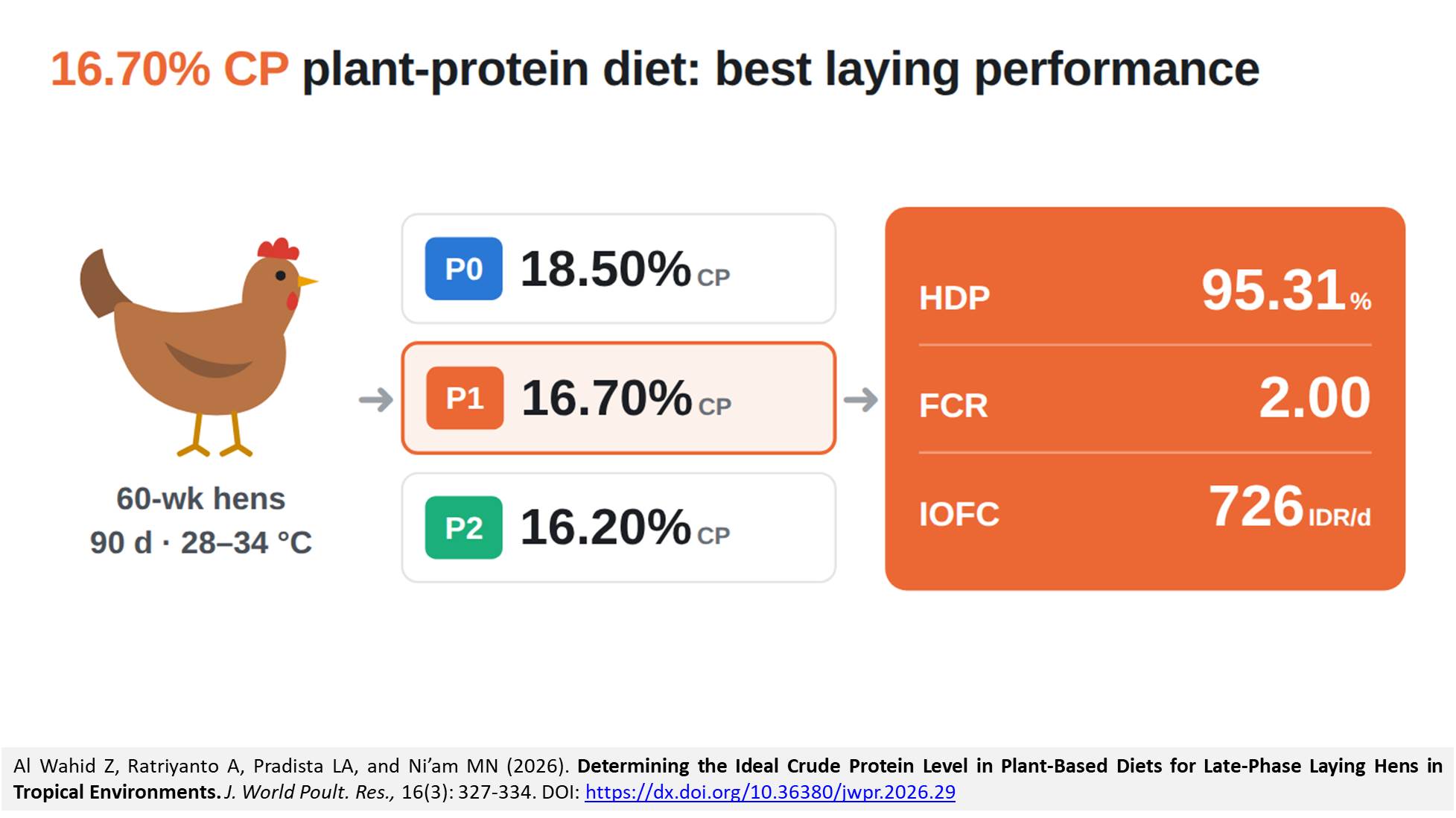 ABSTRACT: Reducing dietary crude protein (CP) in laying hens is a strategic approach to improve nitrogen efficiency, reduce feed costs, and enhance sustainability in tropical production systems. The present study aimed to determine the optimal dietary CP concentration required to sustain laying performance in plant-protein-based diets fed to late-phase hens. A total of 3,600 laying hens aged 60 weeks were allocated to three dietary treatments in a completely randomized design with four replicates of 300 hens each. The treatments included a control diet with 18.50% CP (P0), a diet replacing all animal ingredients with corn, rice bran, soybean meal, and corn gluten meal to supply 16.70% CP (P1), and an equivalent plant-protein diet with 16.20% CP (P2). All diets eliminated animal-derived protein sources and were formulated to meet essential amino acid requirements. Feed intake, hen-day production (HDP), egg weight, egg mass, feed conversion ratio (FCR), and income over feed cost (IOFC) were recorded daily for 90 days under tropical conditions (28-34°C) and analyzed over the complete 90-day period. Hens in Group P1 achieved the highest HDP (95.31%), the greatest egg mass (58.58 g/hen/day), and the lowest FCR (2.00), all significantly superior to groups P0 and P2 (p < 0.05). Further reduction to 16.20% CP (P2) lowered the HDP to 91.04% and raised the FCR to 2.08, compared with Group P1. In Group P2, egg weight increased to 63.42 g and exceeded that of groups P1 and P0. Group P2 had significantly higher feed intake (119.53 g) than P1 (117.21 g) and P0 (117.48 g). Reducing dietary CP in laying hens improved nitrogen utilization, reduced nitrogen excretion and feed costs, and enhanced the sustainability of egg production under tropical conditions. Diet P1 returned the highest IOFC (726.26 IDR or 0.0446 USD per hen per day) and the lowest feed cost per kilogram of egg (12,606 IDR or 0.773 USD). The results demonstrated that reducing dietary CP from 18.50% to 16.70% in a plant-protein-based formulation optimized laying performance and economic efficiency in late-phase laying hens under tropical conditions. The 16.70% CP level represented a practical threshold that balanced sustainability, nutrient efficiency, and profitability.
Keywords: Crude protein, Egg, Income over feed cost, Laying hen, Tropical condition
[Full text-PDF] [Crossref Metadata] [Scopus] [Export from ePrints]
|
|
Research Paper
Antibiotic Resistance of Escherichia coli Strains Isolated from Fecal Samples of Poultry Farms in Ninh Binh, Vietnam
Huong CTT, Oanh TL, Thinh NH, Giap NV, and Thai TH.
J. World Poult. Res. 16(3): 335-345, 2026; pii: S2322455X2600030-16
DOI: https://dx.doi.org/10.36380/jwpr.2026.30
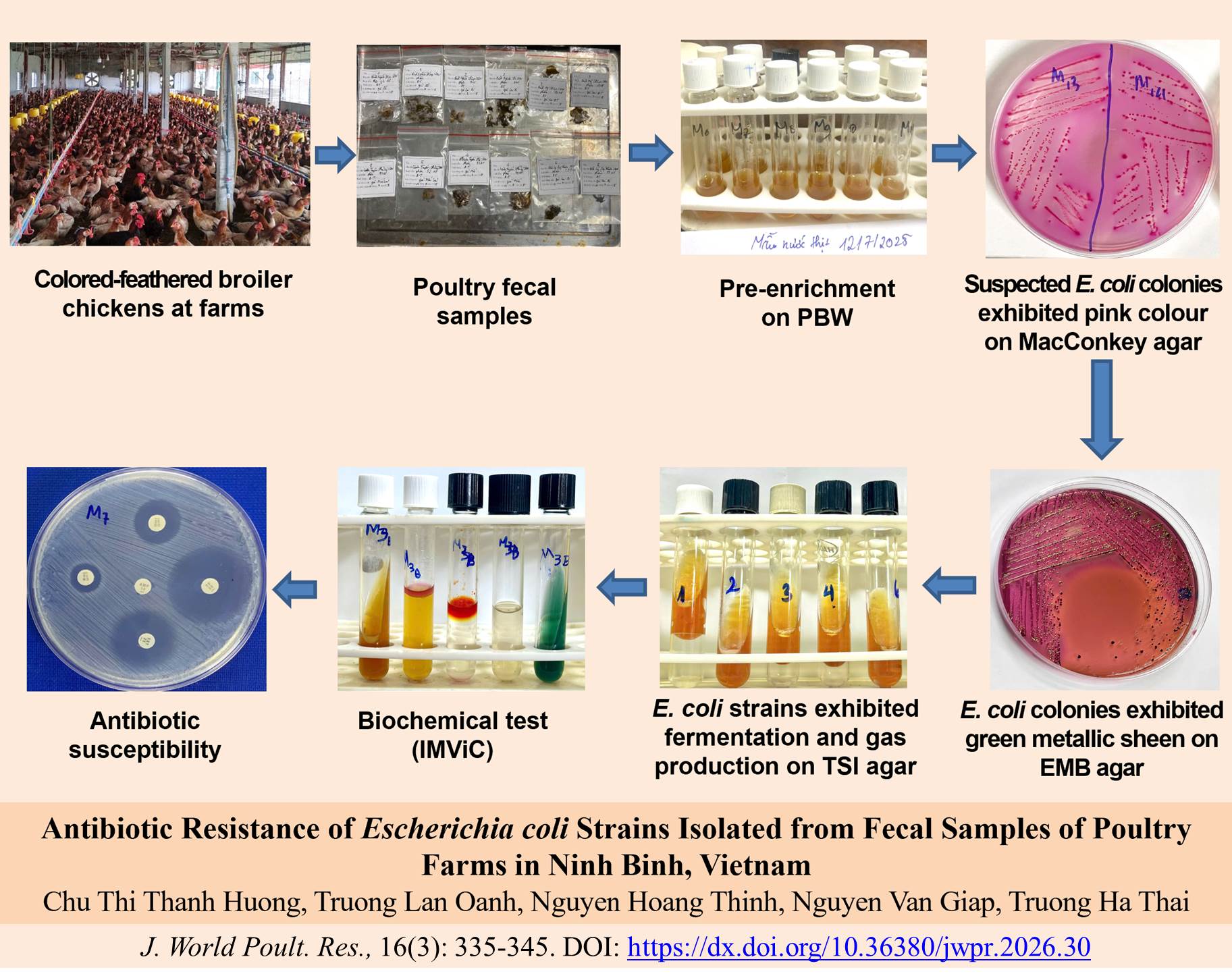 ABSTRACT: Antibiotic resistance is a major global health threat, and antibiotic use in livestock farming contributes to this issue. The present study aimed to assess the prevalence and antibiotic susceptibility of Escherichia coli (E. coli) isolated from poultry fecal samples in Ninh Binh province, Vietnam. Between May and October 2025, 170 dropping fecal samples were randomly collected from 45 poultry farms in Ninh Binh province, Vietnam, including 24 broiler chicken farms (aged 2.5-3.0 months old) and 21 meat-oriented duck farms (aged 1.5-2.0 months old). Fecal samples were transferred to the laboratory and cultured in peptone buffer and on selective media, including MacConkey agar, eosin methylene blue agar, and triple sugar iron agar. Antibiotic susceptibility was assessed using the disk diffusion method on Mueller-Hinton agar. Suspected E. coli colonies were confirmed using Gram staining and biochemical tests such as citrate utilization, indole production, the methyl red test, and the Voges-Proskauer reaction. Escherichia coli was isolated from 134 (78.8%) fecal samples, including 69/85 (81.2%) chicken and 65/85 (76.5%) duck samples. The susceptibility of E. coli strains to 10 antibiotics was evaluated using the disk diffusion method. Escherichia coli strains isolated from chickens and ducks demonstrated the highest resistance to ampicillin (82.8%), followed by sulfonamides (79.9%), trimethoprim/sulfamethoxazole (74.6%), tetracycline (60.5%), and gentamicin (52.2%). Resistance to the remaining antibiotics, including norfloxacin, doxycycline, nalidixic acid, and cefotaxime, ranged from 14.6% to 38.1%; none of the isolates were resistant to meropenem. Among the isolates, 97 (72.4%) were multidrug-resistant; the proportion of multidrug-resistant isolates from chickens (60 strains, 87.0%) was higher than that from ducks (37 strains, 56.9%). Escherichia coli strains isolated from broiler chicken and duck farms in Ninh Binh, Vietnam, exhibited diverse resistance patterns to several antibiotics. Specifically, 34 and 36 resistance patterns were identified in chicken and duck isolates, respectively, with most isolates having multidrug resistance characteristics.
Keywords: Antibiotic resistance, Chicken, Duck, Escherichia coli, Poultry farm
[Full text-PDF] [Crossref Metadata] [Scopus] [Export from ePrints]
|
|
The Effect of Onion Skin Meal on Ileum Histology in Broiler Chickens |
Research Paper
The Effect of Onion Skin Meal on Ileum Histology in Broiler Chickens
Maharani SF, Sudjarwo E, and Sjofjan O.
J. World Poult. Res. 16(1): 346-352, 2026; pii: S2322455X2600031-16
DOI: https://dx.doi.org/10.36380/jwpr.2026.31
 ABSTRACT: For many years, plant-based feed additives have served as alternatives to antibiotics, improving feed efficiency and ensuring livestock safety. The present study aimed to investigate the effects of garlic skin, shallot skin, and onion skin on the ileum in broiler chickens. A total of 189 broiler chickens were used in the present study and randomly assigned to nine treatment groups with three replicates, each consisting of seven chickens. The chickens were fed a basal diet supplemented with no onion skin (T0), 0.1% bacitracin (T1), 0.5% garlic skin (T2), 0.5% shallot skin (T3), 0.5% onion skin (T4), a basal diet supplemented with 0.25% garlic and 0.25% shallot skins (T5), a basal diet supplemented with 0.25% garlic and 0.25% onion skins (T6), a basal diet supplemented with 0.25% shallot and 0.25% onion skins (T7), and a basal diet supplemented with 0.167% garlic, shallot, and onion skins each (T8) for 35 days. The current results indicated that adding garlic skin meal, shallot skin meal, and onion skin meal did not affect ileal histology, villi number, villi length, villi width, villi surface area, and crypt depth in broiler chickens. The absence of adverse histological alterations indicated that onion skin meal is safe for utilization as a feed additive.
Keywords: Broiler chicken, Garlic skin, Ileum, Onion skin, Shallot skin
[Full text-PDF] [Crossref Metadata] [Scopus] [Export from ePrints]
|
|
Pigeon Pox Virus Associated with Skin Lesions Isolated from Pigeons in Greece |
Case Report
Pigeon Pox Virus Associated with Skin Lesions Isolated from Pigeons in Greece
Aslanidis A, Mavraki Z, Chochtoulas L, Minos E, Varga-Kugler R, Koutoulis K, and Prentza Z.
J. World Poult. Res. 16(3): 353-357, 2026; pii: S2322455X2600032-16
DOI: https://dx.doi.org/10.36380/jwpr.2026.32
 ABSTRACT: Pigeon breeders in Central and Northern Greece often report pox-like skin lesions in their flocks. However, these reports have not been scientifically validated, and no investigation has determined the presence or prevalence of pigeon pox virus in Greek avian populations. The present study aimed to report the detection of pigeon pox in a flock of pigeons in Karditsa, Greece, confirmed by polymerase chain reaction (PCR) analysis. Following a comprehensive review of the existing scientific literature, the present study provided the first documented confirmation of pigeon pox virus in Greece. In September 2025, a breeder from Karditsa, Greece, reported cutaneous and respiratory signs in 40 of 250 juvenile pigeons in a loft of 450 pigeons. The flock was vaccinated only against paramyxovirus, not against pigeon pox. Lesions on the skin, beak, and legs persisted for 4-8 weeks, with no mortality. The breeder administered doxycycline, enrofloxacin, and local treatment for trichomoniasis and treatment with ganciclovir; however, the treatment was unsuccessful. Wart-like lesions from the beak, skin, legs, and eyelids were collected for molecular analysis by PCR targeting Avipoxvirus-specific genomic regions, confirming the diagnosis of pigeon pox virus infection. The clinical history, physical examination, and necropsy findings, along with the PCR results, confirmed the poxvirus infection. The present study confirmed the presence of pigeon pox virus in Greece and emphasized the importance of raising awareness and conducting additional epidemiological surveillance of Avipoxvirus infections in domestic pigeons.
Keywords: Avipoxvirus, Lesion, PCR, Pigeon pox, Skin, Virus
[Full text-PDF] [Crossref Metadata] [Scopus] [Export from ePrints]
|
|
Review
The Role of Dietary Fibre in Modulating Gastrointestinal Development, Nutrient Utilization, and Growth Performance in Broiler Chickens: A Review
Fekade M.
J. World Poult. Res. 16(3): 358-369, 2026; pii: S2322455X2600033-16
DOI: https://dx.doi.org/10.36380/jwpr.2026.33
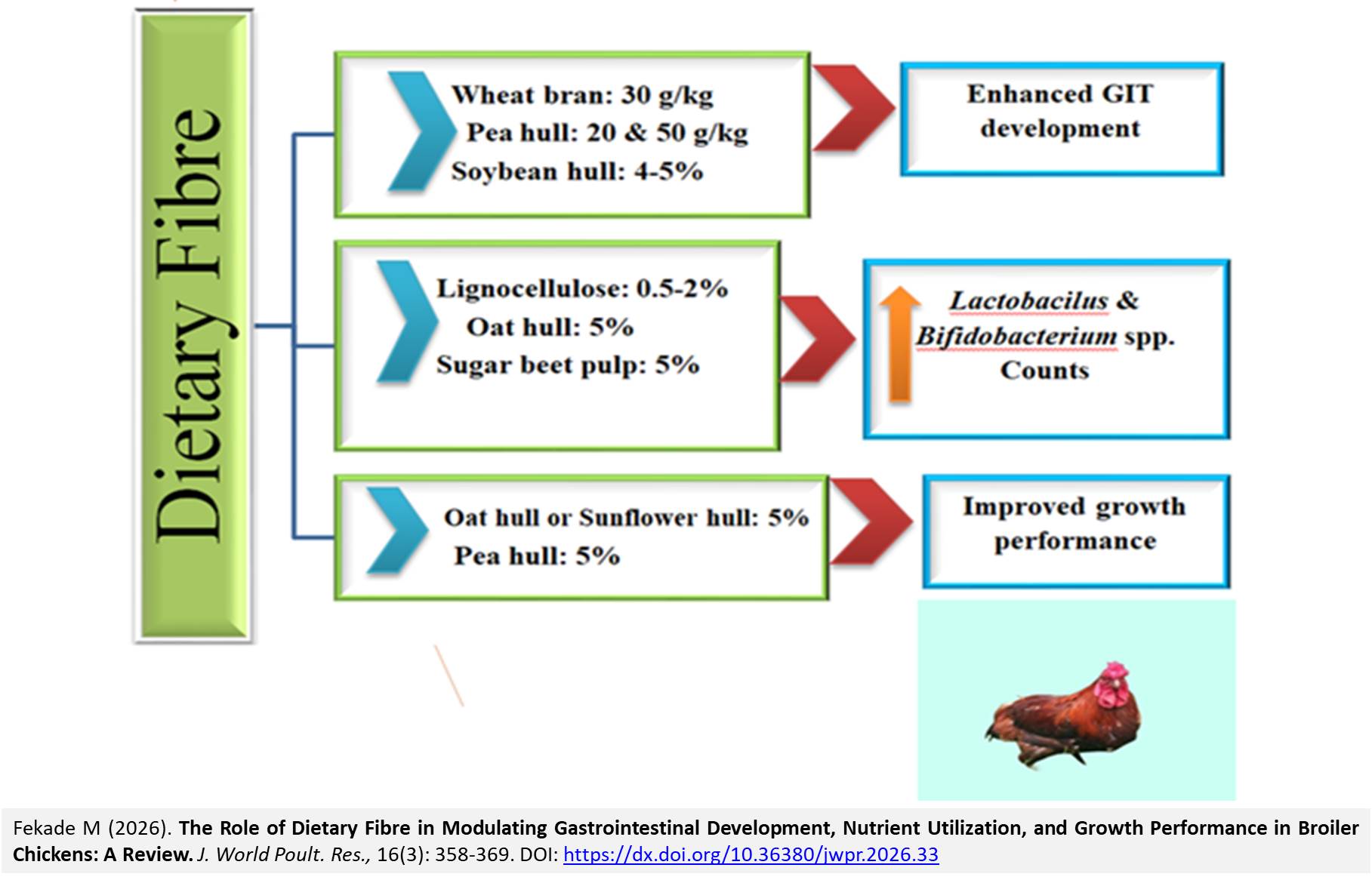 ABSTRACT: Dietary fibre, known as a diluent in poultry feed, has recently attracted considerable interest owing to its potential functional benefits beyond energy provision. The present study aimed to obtain findings related to the effects of different sources of dietary fibre on gastrointestinal tract (GIT) development, nutrient utilization, gut microbiota, and growth performance in broiler chickens. Dietary fibre is a major constituent of plant feed resources. Traditionally, dietary fibre was regarded as an antinutritional factor. The consideration of dietary fibre as an antinutritional factor was due to its negative effects on nutrient utilization, as it impairs feed intake and digestibility in broiler chickens. However, recent studies have indicated that the inclusion of dietary fibre at 2 to 3% in the diet of broiler chickens served multiple functions. Dietary fibre induces GIT development, gizzard activity and functionality, and digestive physiology. Fibre enhances enzyme secretion, digestion, fermentation, and absorption of nutrients. Dietary fibre keeps homeostasis through balancing the host and gut microbiota, increasing the composition and population of commensal bacteria, and reducing the pH of the GIT. The low pH creates an unfavorable environment for pathogenic bacterial proliferation. Thus, fibre helps maintain immunity, which further enhances the production performance in broiler chickens. In Ethiopia, where financial constraints and limited infrastructure hindered access to conventional feed ingredients, studies have primarily focused on replacing costly concentrates with more accessible and affordable alternatives, including dietary fibre sources. The present study revealed that including dietary fibre in the diet of broiler chickens resulted in different responses, with 2-3% inclusion generally beneficial, while exceeding 30 g/kg may decrease broiler chickens' growth performance; therefore, determining precise levels of dietary fibre inclusion is essential.
Keywords: Broiler chicken, Fibre, Gastrointestinal tract, Growth performance
[Full text-PDF] [Crossref Metadata] [Scopus] [Export from ePrints]
|
|
Review
Mechanisms and Biological Outcomes of Essential Oils as Functional Feed Additives in Laying Hens: A Systematic Review
Amalta L, Sjofjan O, Widodo E, Tistiana H, Nursita IW, Gunawati DN, and Damayanti CA.
J. World Poult. Res. 16(3): 370-379, 2026; pii: S2322455X2600034-16
DOI: https://dx.doi.org/10.36380/jwpr.2026.34
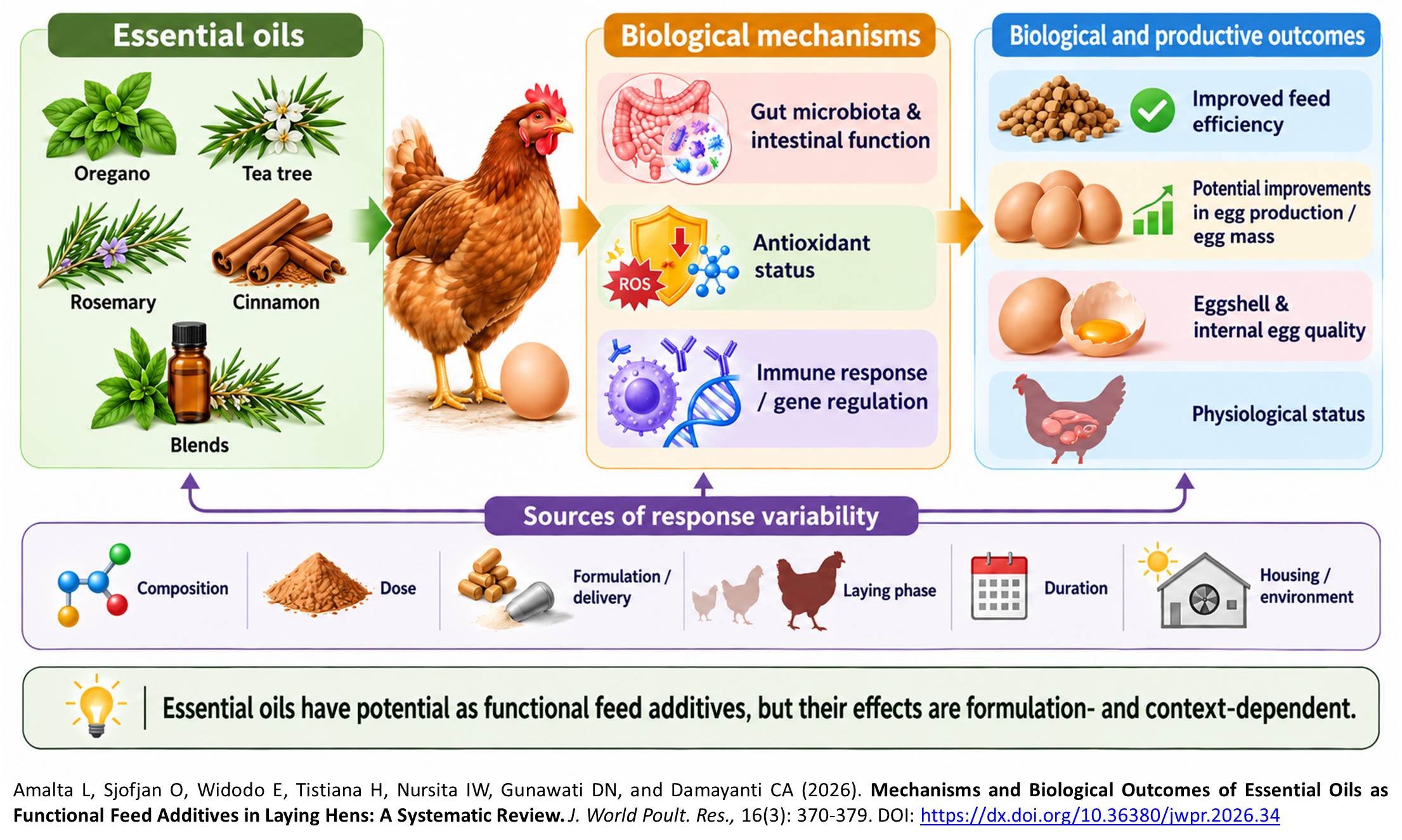 ABSTRACT: Essential oils are being investigated as phytogenic alternatives to antibiotic growth promoters in laying-hen nutrition because selected formulations contain compounds with antimicrobial, antioxidant, and immunomodulatory activities. The present study aimed to evaluate the mechanisms and biological outcomes of essential oils as functional feed additives in laying hens' diets, along with their effects on production performance and egg quality. The present systematic review followed the PRISMA 2020 framework. Peer-reviewed English-language studies published from 2020 to 2026 were identified through Scopus and Google Scholar databases. This period highlighted recent findings on the rising use of phytogenic feed additives in poultry nutrition. Twelve studies met the eligibility criteria and were included in the qualitative synthesis. Several studies reported changes in gut microbiota and intestinal morphology, improved antioxidant indicators, or modulation of immune-related variables. Selected studies also reported improvements in feed efficiency, egg production or egg mass, eggshell characteristics, and internal egg quality, whereas other outcomes were unchanged. The magnitude and consistency of responses varied by essential-oil composition, inclusion level, formulation or delivery method, age or laying phase, experimental duration, housing, and other study conditions. Overall, essential oils have potential as functional feed additives in laying hens, but the evidence does not support a uniform effect across all products. Their practical value depends on the specific formulation, dose, and application strategy.
Keywords: Antioxidant activity, Egg production, Essential oil, Gut microbiota, Immune response, Laying hen, Phytogenic feed additive
[Full text-PDF] [Crossref Metadata] [Scopus] [Export from ePrints]
Previous issue | Next issue | Archive
This work is licensed under a Creative Commons Attribution 4.0 International License (CC BY 4.0).